

The best Living Room Ideas for a homey apartment combine comfortable seating, warm lighting, soft textures, personal decorations, and smart storage. Start with the way you use your space, choose furniture that fits your floor plan, and repeat a small color palette throughout the room. These simple choices can make even a compact apartment feel inviting.
Creating a cozy apartment living room does not require expensive furniture or major renovations. Small changes, such as adding curtains, rearranging your sofa, introducing natural materials, or displaying meaningful artwork, can make your living area feel more personal.
Whether you live in a studio or a larger apartment, these ten decorating ideas can help you create a space that feels comfortable and looks thoughtfully designed. Each idea focuses on practical changes you can adapt to your budget, lifestyle, and existing furniture.
Quick Takeaways for Homey Apartment Living Rooms
- Choose two or three main colors and repeat them across furniture, textiles, and accessories.
- Use lamps at different heights to create a softer atmosphere after sunset.
- Combine smooth surfaces with woven fabrics, natural wood, and comfortable textiles.
- Keep walking paths clear and select furniture that suits your room’s proportions.
- Display personal objects and artwork instead of filling every surface with decorations.
1. Create a Warm and Welcoming Color Palette
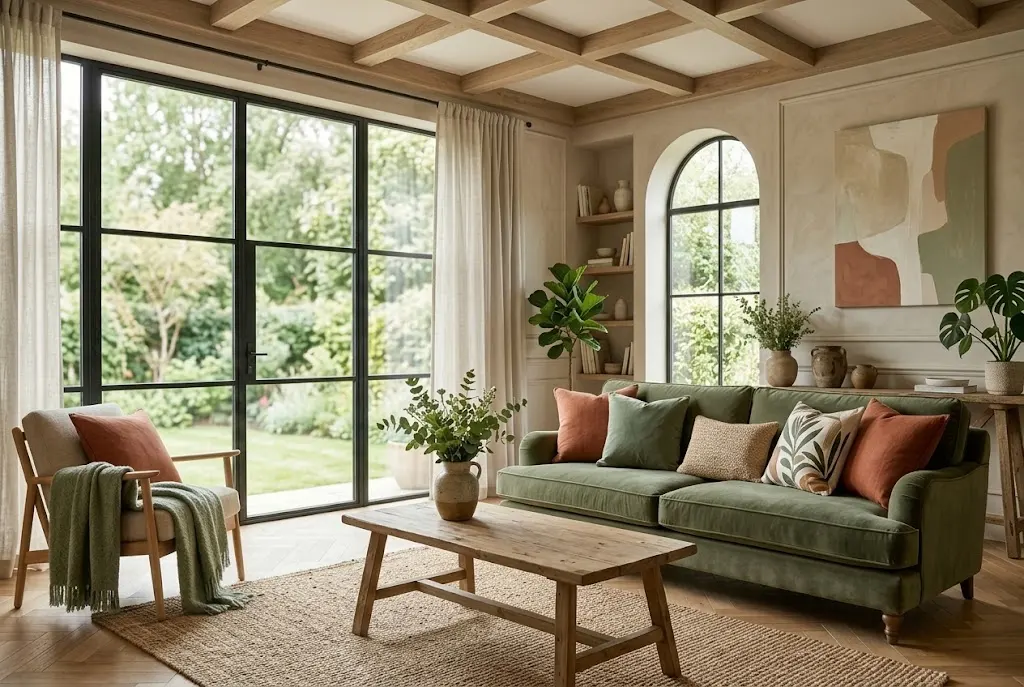
A warm color palette can make an apartment living room feel more connected and comfortable. Cream, warm white, beige, soft brown, muted sage, and terracotta work well together because they offer plenty of room for different textures. You can use these colors across your walls, sofa, curtains, cushions, and smaller decorative objects.
Start with one dominant color, such as warm white or oatmeal. Choose a secondary color for larger pieces, then add a smaller accent color to bring the room to life.
For example, imagine a cream sofa with olive-green cushions, a natural oak coffee table, and a rust-colored throw. The colors feel coordinated without making every item match exactly.
A common mistake is choosing too many unrelated colors. This can make a small space feel visually busy, especially when the furniture, rug, curtains, and artwork all compete for attention.
Instead, pick one inspiration piece, such as a patterned pillow or a piece of artwork, and borrow two or three colors from it.
Photograph your favorite furniture and fabric samples together before buying anything. Comparing them in one image makes mismatched colors and undertones easier to spot.
This approach is especially useful if you want neutral living room decor that feels warm rather than plain. Keep the main surfaces relatively calm and use smaller accessories to introduce contrast.
2. Layer Warm Lighting for a Cozy Evening Atmosphere
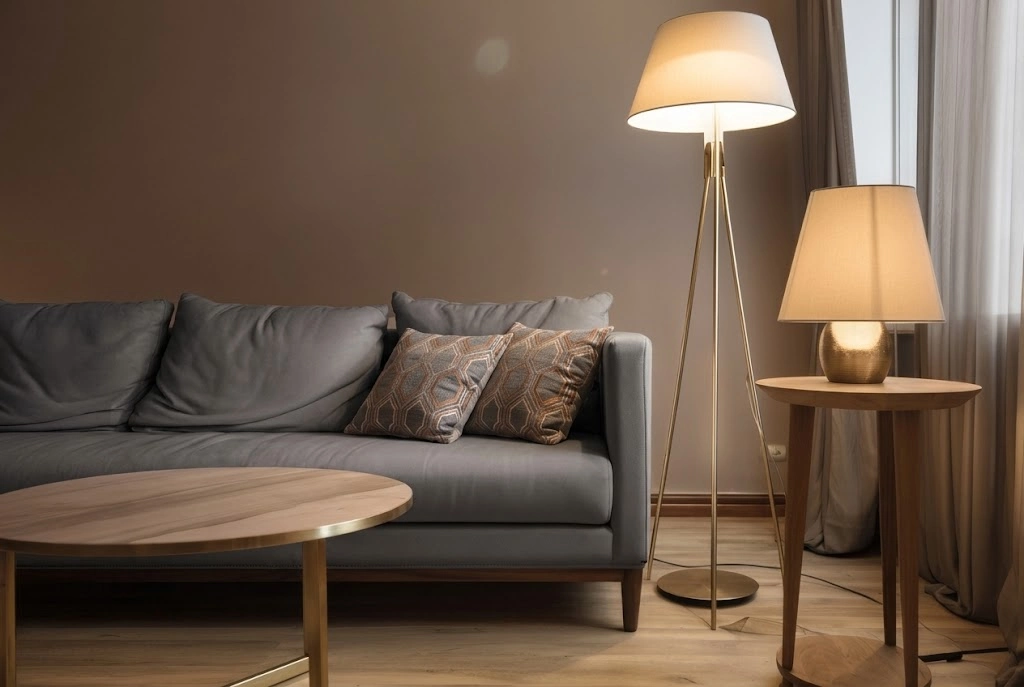
Layered lighting makes a living room feel more inviting because it creates several pools of light instead of relying on one bright ceiling fixture. Combine a floor lamp, a table lamp, and a smaller accent light to illuminate different parts of the room. This arrangement can work particularly well in apartments with limited windows or harsh overhead lighting.
Start by placing a floor lamp near your main seating area. Add a table lamp on a side table or console, then consider a smaller light near a bookcase or dark corner.
Choose bulbs by their light appearance as well as their brightness. Warm-looking light can create a relaxing atmosphere, while task lighting helps you read, write, or complete other activities.
For example: A reading corner with a floor lamp and a soft-shaded table lamp can feel more relaxing than a room lit entirely by a bright ceiling fixture.
A common mistake is buying several lamps without considering where their light will fall. Place each light near an area that needs illumination rather than scattering lamps randomly around the room.
These warm living room lighting choices also give you more control over the room’s mood without changing your furniture or wall color.
Turn on your lamps after sunset and sit in your usual seat. Look for dark patches in your field of view, then move a light or add another one to improve the balance.
3. Add Soft Rugs, Curtains, and Layered Textures
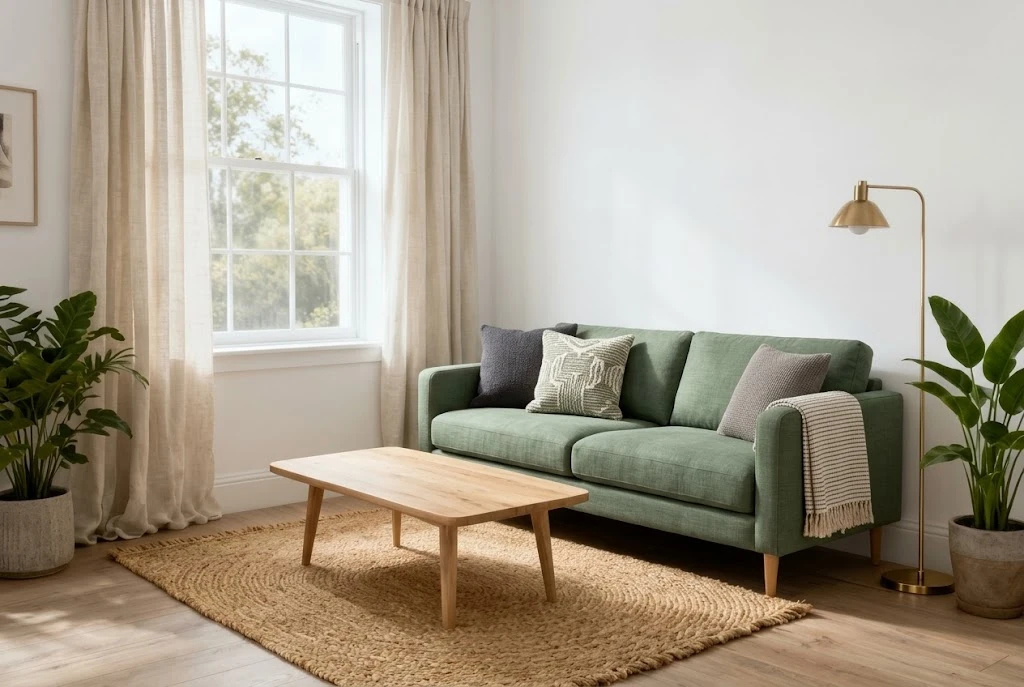
Soft furnishings make an apartment living room feel more comfortable by adding texture and tying separate furniture pieces together. A well-sized rug, floor-length curtains, and a few tactile fabrics can make the space feel more finished without requiring permanent changes.
Begin with a rug that relates to the size and arrangement of your seating area. Ideally, the main seating pieces should connect visually through the rug instead of appearing scattered across the floor.
Next, add curtains made from linen-look fabric, cotton, or another material that suits your style. If you have limited daylight, lighter fabrics can provide privacy without making the window feel visually heavy.
Layer different textures rather than relying on one fabric everywhere. A woven rug, smooth cotton cushions, a chunky throw, and a wooden table create contrast even when their colors are similar.
For example: A beige sofa can look far more inviting with a textured cream rug and a sage-green throw. You can also refresh the space without replacing your existing furniture. For more affordable decorating inspiration, explore these small living room ideas on a budget.
One frequent mistake is choosing a rug that is too small. A tiny rug floating in the center can make the seating arrangement look disconnected. Measure your furniture footprint first and compare rug dimensions before purchasing.
4. Choose Comfortable Seating That Fits Your Space
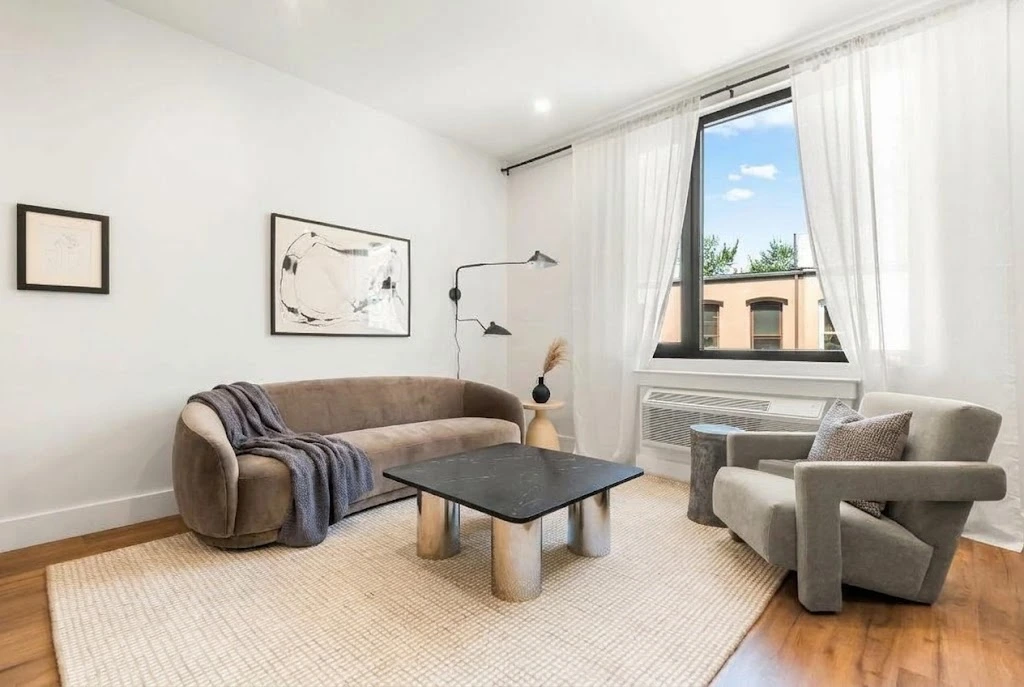
The best seating arrangement balances comfort, movement, and the size of your apartment. A compact sofa, a comfortable accent chair, or a modest sectional can provide enough seating without overwhelming the room. Choose pieces based on your daily activities rather than buying furniture simply because it looks attractive in a showroom.
Before choosing new furniture, measure the room’s length and width. Account for doors, windows, walkways, and any space needed to open drawers or cabinets.
For small apartment living room ideas, consider furniture that serves your actual needs. A two-seat sofa and movable ottoman may be more practical than an oversized sectional if you regularly rearrange your space or entertain guests occasionally.
If your living area is narrow, try placing the sofa along the longest suitable wall. In a more open layout, position it to define the living zone without blocking the route to the kitchen or entryway.
For example: A small sofa paired with one lightweight accent chair can create a comfortable conversation area while keeping the room flexible.
Avoid choosing furniture by appearance alone. A deep sofa may look luxurious but leave too little floor space in a narrow room.
A useful test is to mark your planned furniture dimensions on the floor with painter’s tape. Walk around the outline before ordering anything. For additional inspiration on arranging compact spaces, browse these small living room ideas.
5. Create a Renter-Friendly Focal Wall
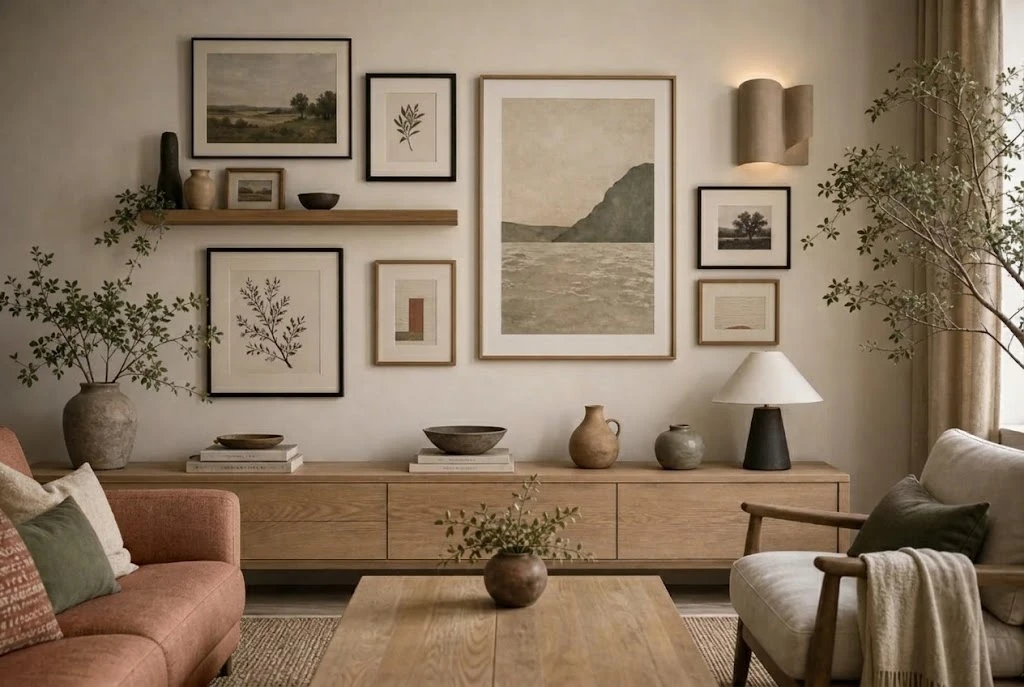
A focal wall gives the living room a clear visual center and helps the space feel intentional. You can create one with artwork, framed photographs, removable wall coverings, or a carefully styled console. These options are particularly useful when you rent and need decorations that can be changed without major renovations.
First, choose the wall people naturally notice when entering the room or sitting on the sofa. Then select one main feature that suits the room’s scale.
A large piece of artwork can make a stronger statement than several unrelated small frames. Alternatively, arrange a small gallery of prints using consistent frames or a shared color palette.
If you prefer a softer look, lean framed artwork against a console or place it on a stable shelf. This reduces the need for permanent wall changes, although heavy objects still need secure support.
Imagine a cream-colored sofa with two large landscape prints above it and a slim wooden console nearby. The arrangement creates a focal point without using many decorative objects.
The mistake to avoid is making every wall compete for attention. Choose one main feature wall and let the surrounding areas remain simpler.
Before using removable wallpaper, adhesive hooks, or wall-mounted decor, check the product instructions and your lease. Test removable products discreetly when the surface allows, because some products can damage particular finishes.
6. Bring Nature Indoors With Plants and Natural Materials
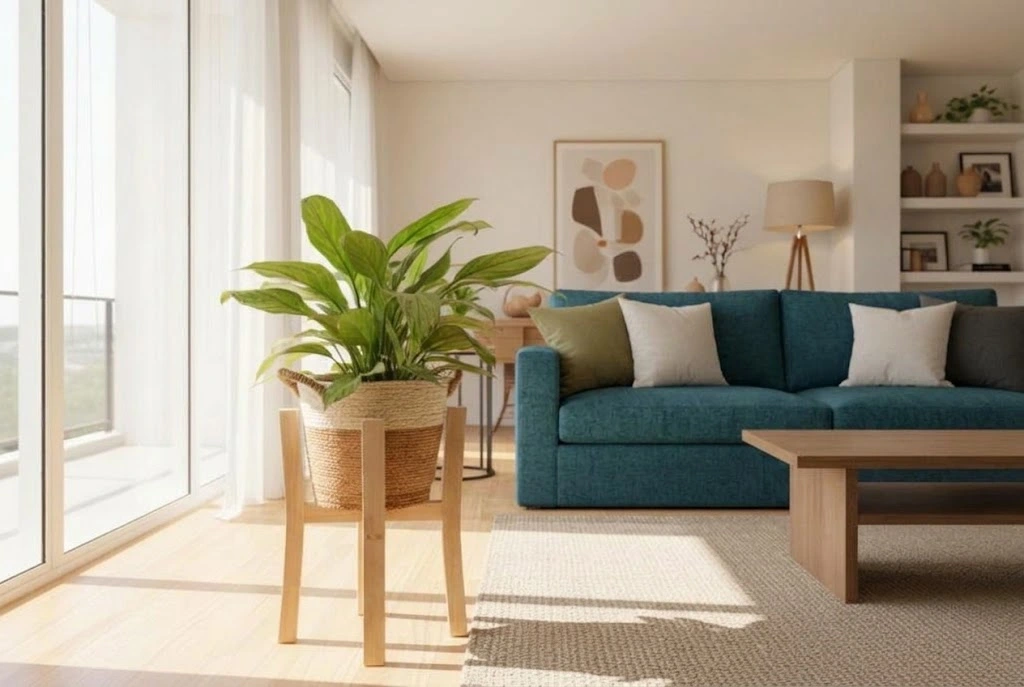
Plants and natural materials can soften an apartment living room and bring variety to a room dominated by furniture and electronics. Wooden furniture, woven baskets, ceramic pots, and leafy greenery add different shapes and textures. You do not need a large plant collection; a few well-placed pieces can make the space feel more personal.
Consider putting one plant near a bright window, another on a sturdy side table, or a small arrangement on a bookshelf. Select plants according to the light conditions in your apartment rather than buying them only for their appearance.
Natural materials can provide warmth even when live plants are not practical. A wooden coffee table, woven storage basket, or textured ceramic vase can create visual interest without requiring extra maintenance.
For example: A compact living room might include a medium plant beside the window, a rattan basket for throws, and a pale wood side table. Each element adds texture while serving a practical purpose.
A common mistake is crowding the room with plants that compete for floor space. Begin with one or two suitable plants and add more only when you understand how they fit your layout.
Check the light near your intended plant location during the day. Choose varieties that suit those conditions, and consider plant safety if pets or young children share the home.
7. Style Your Coffee Table With Everyday Essentials
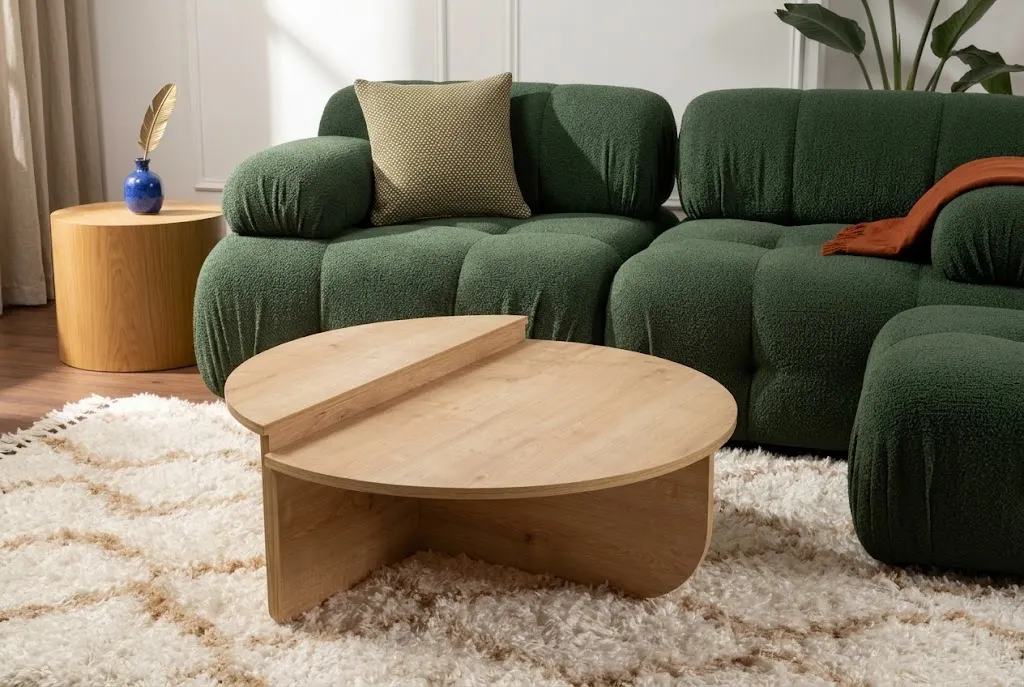
A well-styled coffee table makes a living room feel finished while leaving enough room for everyday activities. The most useful arrangements combine a few decorative pieces with items you genuinely use, such as a small tray, a book, or a vase. The goal is to create visual interest without making the table difficult to use.
Begin by clearing the entire surface. Place a tray or another low-profile object on one side, then add one or two complementary pieces.
Try combining objects of different heights and shapes. A short stack of books, a small ceramic vase, and a shallow bowl can form a balanced arrangement without looking overly formal.
For example: A round oak coffee table might hold a tray with a small vase and a book, leaving the other half open for drinks or a remote control.
The common mistake is covering every available inch with accessories. This creates clutter and makes even a beautiful table feel impractical.
Choose items that are easy to move when you need more space. A shallow tray is especially useful because you can lift several small objects together instead of rearranging each one.
You can also reflect the room’s existing colors in your table accessories. Repeating a shade already found in your cushions or artwork helps the arrangement feel connected to the rest of the room.
8. Use Vertical Storage to Keep Clutter Under Control
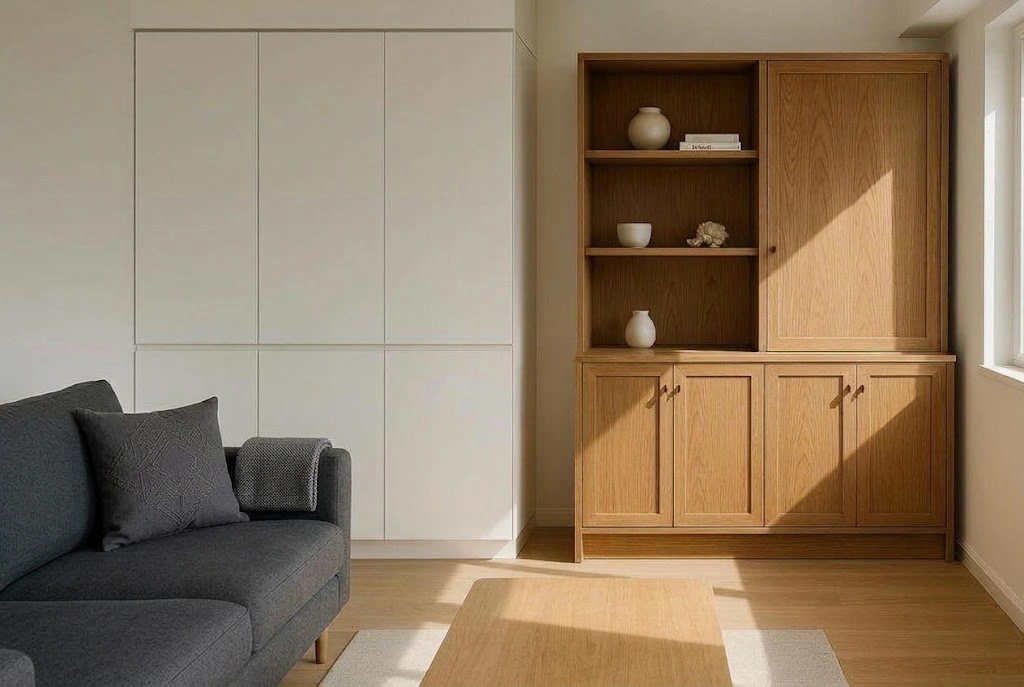
Vertical storage helps an apartment living room stay organized when floor space is limited. Tall bookcases, narrow shelving, closed storage cabinets, and wall-mounted organizers can give everyday belongings a home without spreading across the room. The best approach combines accessible storage with a few carefully selected display areas.
Start by identifying what creates the most visible clutter. Books, chargers, blankets, games, and small electronics often need different storage solutions.
Use baskets for soft items, closed cabinets for objects you do not want on display, and shelves for books or decorations you enjoy seeing. A narrow bookcase can also make use of an otherwise empty wall.
For example: A compact cabinet beneath a television can hide cables and accessories, while two open shelves above it hold books and a few framed prints.
A frequent mistake is treating every shelf as a display area. Too many objects can make the room look crowded. Leave some space between groups and store less attractive necessities behind closed doors.
Safety matters when arranging tall or heavy furniture. Follow the manufacturer’s instructions for securing furniture where needed, and consider the wall type and your lease before installing anchors.
The practical rule is to keep frequently used items within easy reach and reserve higher shelves for lighter objects that you rarely need.
9. Make a Multipurpose Living Room Feel Intentional
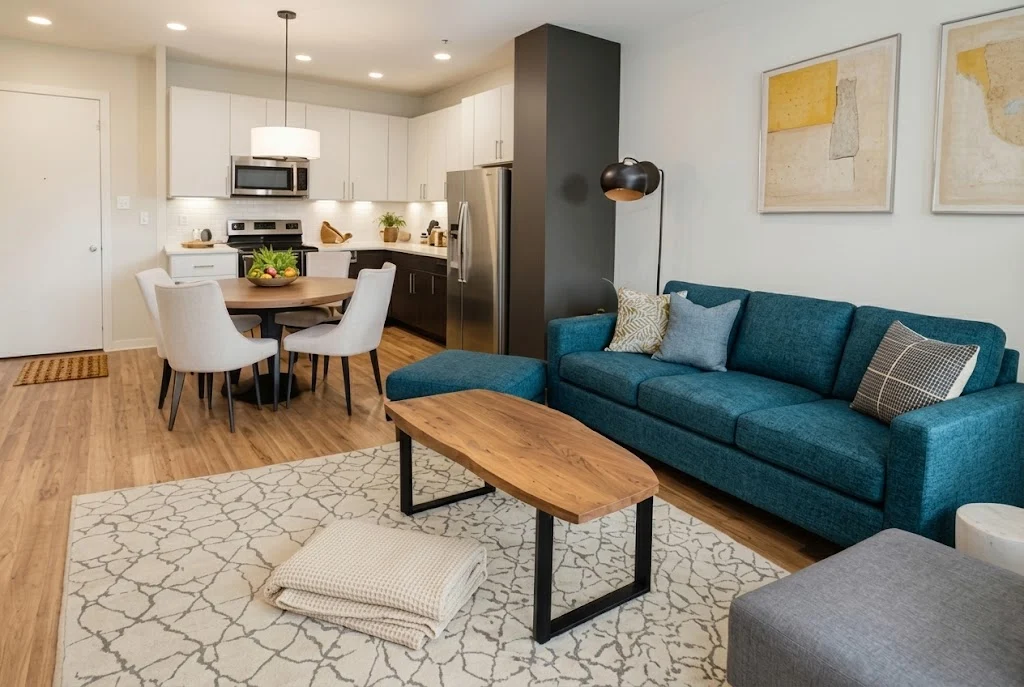
An apartment living room often needs to support several activities, including relaxing, working, entertaining, or eating. The key is to give each activity a clear place without filling the room with separate furniture for every purpose. A flexible apartment living room layout can make the space easier to use throughout the day.
Begin by deciding which activity matters most. If you spend most evenings watching movies, make comfortable seating the priority. If you work from home, include a practical desk or a compact work surface that does not block the main walkway.
Use rugs, lighting, and furniture placement to define separate zones. A small desk near a window can form a work area, while a sofa and rug establish the relaxing zone.
For example, a studio apartment might have a compact dining table behind the sofa. The back of the sofa creates a visual boundary while leaving the room open.
Avoid trying to create too many zones in a small space. A full office, dining room, reading corner, and entertainment area may not all fit comfortably.
Choose multifunctional pieces only when you will actually use their extra features. A storage ottoman can be useful for blankets, but a bulky convertible table may add little value if you rarely change the room’s arrangement.
Walk through your proposed layout as if you were carrying groceries or moving between the kitchen and sofa. If the route feels awkward, simplify the arrangement before adding more furniture.
10. Display Personal Art and Meaningful Decorations
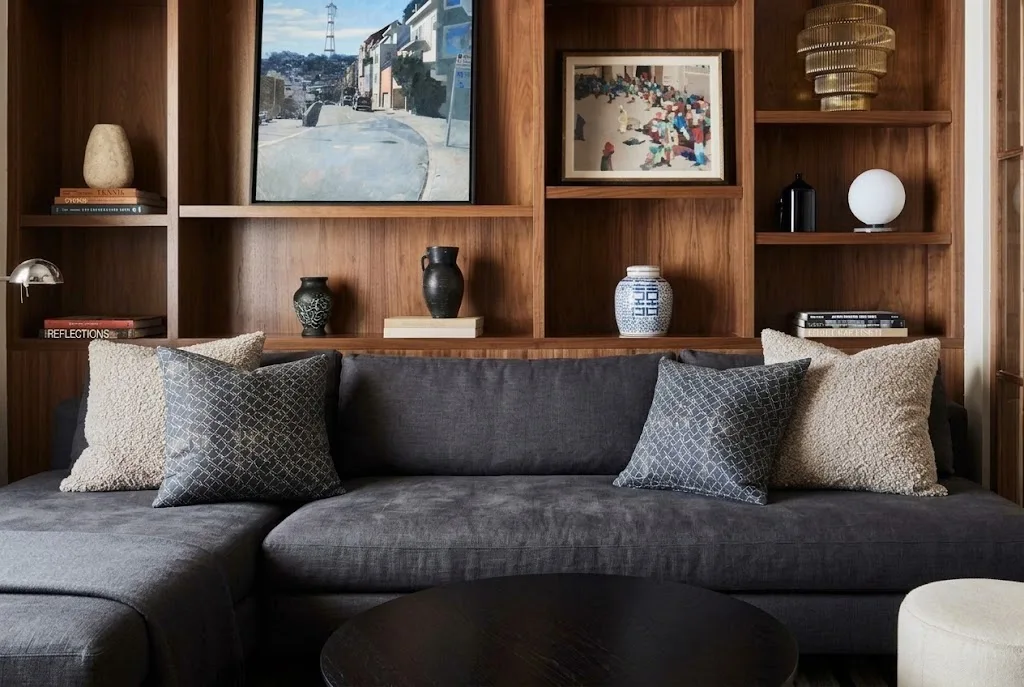
Personal decorations give an apartment living room character that a showroom-style arrangement often lacks. Family photographs, travel souvenirs, favorite books, handmade objects, and artwork can make the space feel connected to the people who live there. The secret is to display meaningful items selectively rather than filling every surface.
Start by choosing objects that have personal value or fit a hobby you enjoy. Group a few related pieces on a shelf, console, or side table, then leave breathing room around them.
You can also mix different types of artwork. A framed photograph might sit beside a landscape print or a simple abstract piece. Using related colors or similar frame finishes can help the combination feel intentional.
For example: A shelf containing a favorite book, a framed vacation photograph, and a small ceramic object can feel personal without becoming crowded.
One common mistake is buying matching accessories simply to fill empty spaces. Empty space is not necessarily a problem. Sometimes it helps the pieces you already own stand out.
Review your decorations from the doorway and from your usual seat. Remove anything that feels out of place, and move objects around until the room has a natural visual balance.
A practical approach is to rotate seasonal decorations rather than displaying everything at once. You can refresh the room periodically without adding more permanent clutter or storage needs.
Conclusion
The most effective Living Room Ideas begin with the way you want your apartment to feel and function. Comfortable seating, layered lighting, coordinated colors, useful storage, and personal decorations can make a noticeable difference without requiring a major makeover. Focus on the changes that solve your biggest problem first rather than buying everything at once.
Walk through your living room and identify one thing that feels uncomfortable, unfinished, or out of place. Start there. You might rearrange the sofa, introduce a better lamp, or add a rug that connects the seating area. Once that change works, build on it gradually until the room feels welcoming, practical, and genuinely yours.
FAQ
How can I make my apartment living room look cozy on a budget?
Start by rearranging the furniture and using what you already own. Add a soft throw, change your cushion arrangement, improve your lighting, and group existing decorations thoughtfully. You can also repurpose baskets or books for storage and display. Buy new items only after identifying what the room genuinely needs.
What colors make a small apartment living room feel welcoming?
Warm white, cream, beige, muted green, and soft brown are useful starting points for a welcoming living room. You can add terracotta, dusty blue, or another accent color for contrast. The best palette depends on your natural light, existing flooring, and furniture finishes, so test colors in the actual room.
How do I decorate an apartment living room without painting?
Use artwork, removable wall coverings, curtains, rugs, cushions, and decorative lamps to introduce color without changing the walls. You can also create interest with wood, woven materials, and ceramic accessories. Check your lease before making permanent alterations, and follow product instructions for anything attached to walls.
Where should a sofa go in a small apartment living room?
Place the sofa where it supports your main activity and leaves a comfortable route through the room. A long wall is often a practical option, but it is not always the best choice. Consider windows, doors, television placement, and other furniture before deciding. Testing the layout with painter’s tape can help.
How do I make my living room look finished without adding clutter?
Give the room one clear focal point, repeat a small number of colors, and group decorations instead of spreading them across every surface. Use closed storage for everyday necessities and keep some surfaces open. A room often looks more finished when its furniture and accessories work together rather than competing for attention.
What lighting is best for a relaxing apartment living room?
A combination of floor lamps, table lamps, and accent lighting usually offers more flexibility than one overhead light. Warm-looking bulbs can create a softer evening atmosphere, while brighter task lighting helps with reading or other activities. Position each light according to its purpose, and check bulb compatibility before using dimmers.